Home › Concrete and Block Masonry
Superior Masonry Jacksonville provides block masonry services in Jacksonville, FL for foundations, walls, and structural support. We construct CMU and cinder block walls with proper reinforcement and footing design. Our team also repairs cracked or leaning block walls to restore stability and safety.
Superior Masonry Jacksonville provides professional block masonry throughout Jacksonville, FL, Florida and the surrounding area. Our licensed, insured crew delivers safe, clean, on-time work with a free estimate before anything begins. Call (904) 404-2741 or request your free quote.
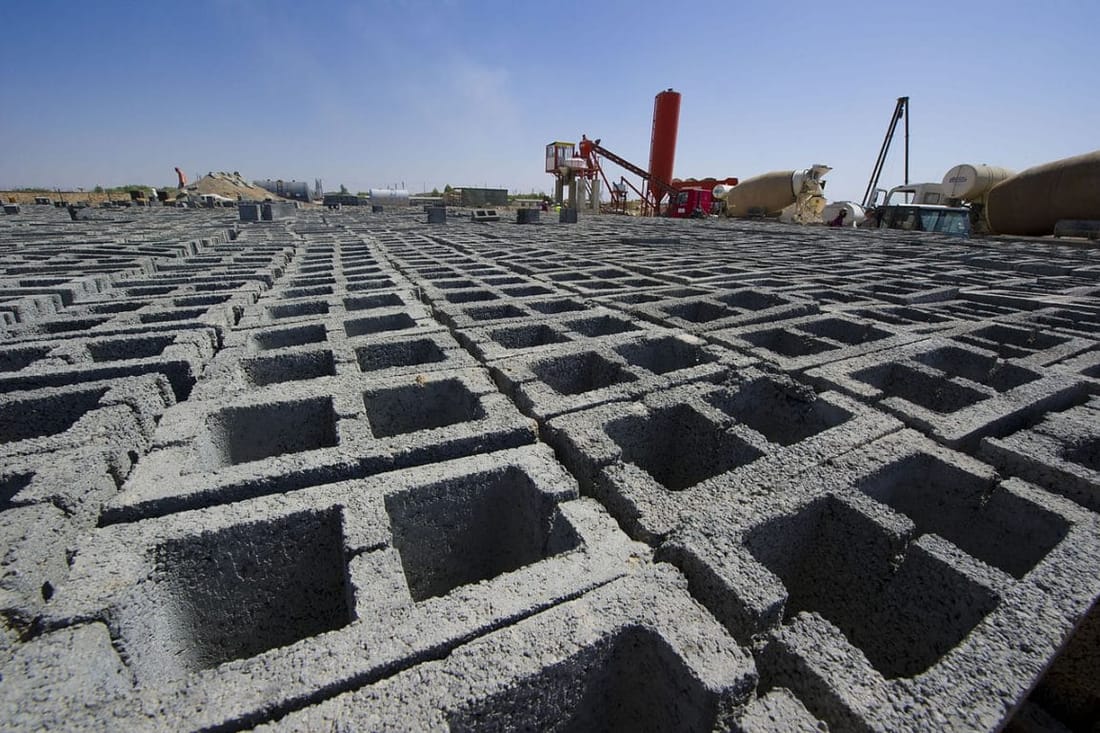
Concrete and Block Masonry in Jacksonville, Built for North Florida Conditions
Concrete and block masonry in Jacksonville is not just about stacking blocks and pouring concrete. Our hot, humid climate, sudden thunderstorms, sandy soils, and hurricane season all affect how your project should be designed and built.
Superior Masonry Jacksonville focuses on structural performance first, then appearance. For block walls, patios, foundations, and structural columns, we evaluate your site drainage, soil conditions, and exposure to wind and salt air before we recommend a design. In many Jacksonville neighborhoods, especially near the river and Intracoastal, that can mean different block types, steel reinforcement layouts, and concrete mixes than what you would use inland.
You can use block masonry for privacy walls, retaining walls, garage additions, load bearing walls under house additions, dumpster enclosures, equipment pads, and decorative garden walls. We help you decide where you truly need reinforced concrete block and where a lighter solution will do, so you are not overpaying for unnecessary structure.
Our crews follow Florida Building Code requirements and local City of Jacksonville standards for block and concrete work. Where inspections are required, we coordinate with the city so your project does not get delayed. Everything is planned with the Jacksonville climate in mind, so your concrete and block work stays solid and crack resistant for decades.
Our Process for Block Masonry Projects in Jacksonville
When Superior Masonry Jacksonville takes on a block masonry project, we follow a clear, field tested process so there are no surprises.
1. Site evaluation and layout: We check property lines, drainage paths, and existing structures. In older Jacksonville neighborhoods like Riverside or San Marco, we often have to work around settled slabs or mismatched elevations, so careful layout with strings, levels, and laser tools is critical.
2. Footing excavation: For load bearing block walls, we dig continuous footings down to stable soil, usually 12 to 24 inches below grade depending on wall height and engineering. Sandy Jacksonville soil can cave in, so we often use wider trenches and compacted base to keep the footing uniform.
3. Rebar placement: Vertical and horizontal steel reinforcement is installed according to the plan. This step is essential for wind resistance in North Florida. We tie rebar to dowels epoxied into existing slabs or foundations when we are tying into an existing structure.
4. Concrete footings: We pour concrete with a mix suited for our climate, typically 3,000 to 4,000 psi, with additives as needed for hot weather placement. During Jacksonville summers we schedule footing pours early in the morning to reduce rapid moisture loss and shrinkage cracking.
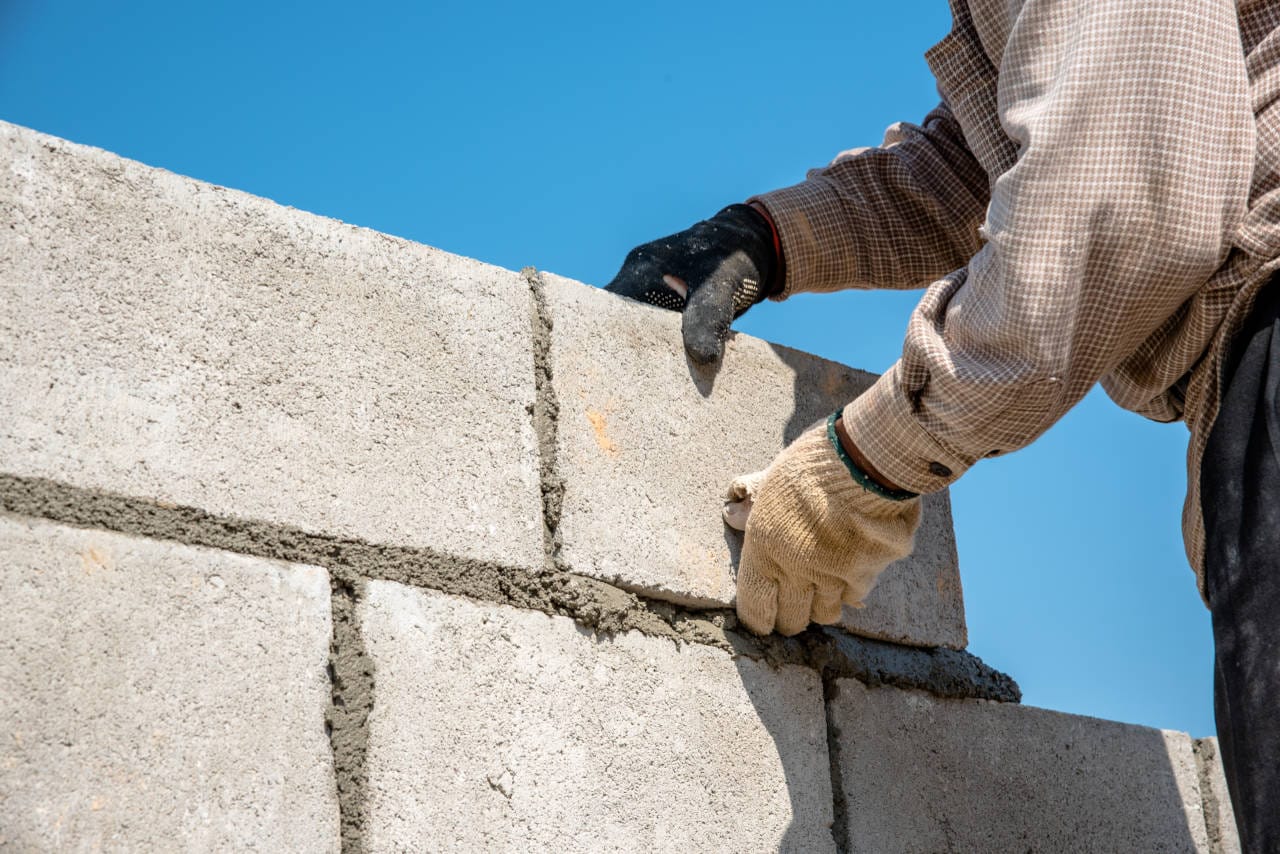
5. Block laying: We set the first course of block perfectly level, then stack subsequent courses with full mortar joints. Joints are fully buttered to avoid hollow spots that can let water in. Cells that contain rebar or will carry heavy loads are left open for later grout filling.
6. Grouting and consolidation: We pump or bucket grout into reinforced cells, then rod or vibrate the grout to remove air pockets. This creates a solid, reinforced concrete core inside the block.
7. Finishing: Joints are tooled to shed water, wall tops are capped or tied into other structures, and surfaces are prepared for stucco, paint, or veneer brick if requested.
Concrete Work That Pairs With Block Masonry
Block masonry projects almost always involve some concrete work. Superior Masonry Jacksonville can handle the full scope so you are not coordinating multiple trades.
Slabs and pads: For AC units, generators, pool equipment, sheds, and trash enclosures, we pour concrete pads that are correctly sized, reinforced, and thick enough for the load. For example, a simple equipment pad may only need light reinforcement, while a pad supporting a masonry wall needs thicker concrete and tied in rebar.
Monolithic slabs: If you are adding a small room, garage, or workshop, a monolithic slab with thickened edges may be the best choice. We integrate anchor bolts, rebar dowels, and block layout lines so your block walls lock directly into the concrete.
Stem walls and foundations: When your site slopes, we may design a stem wall, which is a short block wall on top of a footing, with a slab poured inside. This is common in Jacksonville backyards that drop toward creeks or drainage easements. It keeps your floor level while controlling water flow around the building.
Flatwork and drainage: Sidewalks, aprons, and concrete gutters can be used to direct water away from new block structures. With our heavy summer rains, this is not optional. We cut control joints at proper spacing to manage shrinkage and use appropriate slopes to move water without creating trip hazards.
Design Options and Finishes for Block Masonry
Block masonry does not have to look plain. Superior Masonry Jacksonville offers a range of finishes and design choices so your project performs structurally and fits your property visually.
Block types: We install standard concrete masonry units, split face block with a textured face, and scored block for architectural lines. For coastal or highly visible areas, we may recommend units with improved density and durability.
Wall height and thickness: Most residential projects use 8 inch block, but retaining walls or tall fences near busy roads may need engineering for extra thickness, pilasters, or more frequent vertical steel. In wind exposed parts of Jacksonville, such as near the Intracoastal, these details make the difference between a wall that stands and one that fails in a storm.
Finishes: You can leave block exposed, paint it, apply stucco, or add brick or stone veneer. We prepare the surface so stucco or veneer bonds properly, including cleaning, bonding agents, and correct metal lath where required. For coastal areas, we recommend elastomeric paints or coatings that handle wind driven rain and salt.
Caps and details: We install precast caps, poured in place concrete caps, or decorative brick caps on top of block walls. These are not just for appearance. Proper caps shed water and protect the core of the wall from moisture intrusion, which is important in Jacksonville’s humid environment.
Local Factors That Affect Cost and Timing in Jacksonville
The price and schedule for concrete and block masonry work in Jacksonville are driven by more than square footage. Superior Masonry Jacksonville explains these factors up front so you can plan a realistic budget.
Access and logistics: Tight alleys in older neighborhoods, limited truck access on the Beaches, or working in backyards with no vehicle entry can increase labor and equipment time. Sometimes we hand carry block or use smaller mixers, which affects cost.
Soil and drainage: If your property has soft, organic soil or evidence of poor drainage, we may need deeper footings, more compaction, or added drainage features like French drains or weep holes in retaining walls. These items add to upfront cost but prevent expensive failures later.
Engineering and permits: Taller walls, retaining walls holding back soil, and any structure attached to your home may require engineered drawings and City of Jacksonville permits. We can coordinate with local engineers and handle permit submissions, but you should plan time and fees for this part of the process.
Seasonal weather: Summer thunderstorms and hurricane season can affect scheduling. We avoid pouring concrete when heavy rain is expected and protect fresh work with coverings and added curing measures. In very hot weather we may add retarders to the mix or adjust start times to ensure proper curing, which can slightly impact project duration.
Common Problems With Block Masonry and How We Prevent Them
Inferior block and concrete work is easy to spot in Jacksonville once you know what to look for. Superior Masonry Jacksonville is often called to repair issues that could have been avoided with proper planning and technique.
Cracking: Some hairline shrinkage cracks are normal, but structural or stair step cracks usually trace back to poor footing design, lack of rebar, or bad drainage. We minimize this risk with proper reinforcement, compacted bases, control joints, and thoughtful water management around the structure.
Water intrusion: Jacksonville’s heavy rains can drive water through unsealed block, poorly tooled joints, or missing caps. We use full mortar joints, correct tooling, and recommend breathable sealers or elastomeric coatings where appropriate. For retaining walls, we add gravel backfill, drainpipes, and weep holes so water pressure does not build up behind the wall.
Corrosion of steel: In coastal or marshy areas, salt and moisture can reach reinforcement if the cover over the steel is too thin or if cracks are ignored. We ensure proper concrete cover over rebar, use quality grout, and, when needed, specify epoxy coated rebar or other protective measures.
Settlement and tilting: Inadequate footings or building over poorly compacted fill causes walls to settle or lean. Before we build, we probe the soil and look for signs of past fill or buried debris. If needed, we increase footing size or depth to reach stable ground.
What to Ask Before Hiring a Concrete and Block Masonry Contractor
Choosing the right contractor in Jacksonville affects both the safety and longevity of your project. Superior Masonry Jacksonville encourages homeowners and property managers to ask specific questions, whether you hire us or someone else.
Ask how they handle reinforcement: They should be able to describe where vertical and horizontal rebar will go, how it ties into the footing, and how the block cells will be grouted. Vague answers are a red flag.
Ask about drainage and waterproofing: Any contractor doing block masonry in our area should address where water will go, how retaining walls will relieve pressure, and what finishes or sealers they recommend for our climate.
Ask who will be on site: You want a crew led by an experienced foreman, not just day labor. At Superior Masonry Jacksonville, an English speaking lead is always present to answer questions and coordinate with inspectors.
Ask for local examples: A qualified contractor should be able to point to completed concrete and block masonry projects in Jacksonville, explain how those jobs were built, and describe how they have held up over several rainy seasons.
By asking the right questions before signing, you increase the odds that your new block wall, foundation, or concrete pad will stay straight, dry, and structurally sound for many years.