Home › Commercial Brick Veneer Systems
Superior Masonry Jacksonville installs commercial brick veneer systems in Jacksonville, FL for modern building envelopes. We work with engineered anchors, air gaps, and insulation assemblies to meet design and performance goals. Our crews deliver consistent coursing, clean joints, and watertight detailing around openings.
Superior Masonry Jacksonville provides professional commercial brick veneer throughout Jacksonville, FL, Florida and the surrounding area. Our licensed, insured crew delivers safe, clean, on-time work with a free estimate before anything begins. Call (904) 404-2741 or request your free quote.
Commercial Brick Veneer Systems for Jacksonville Properties
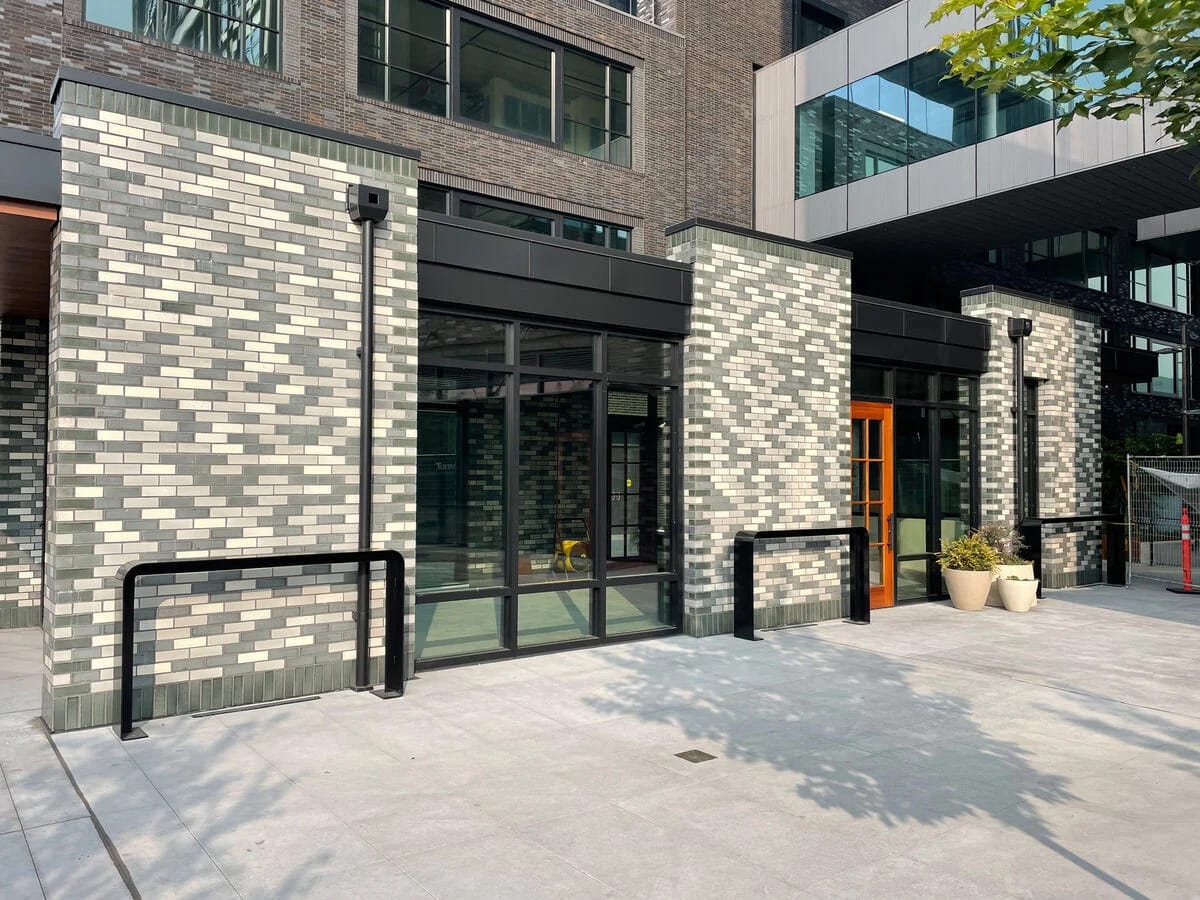
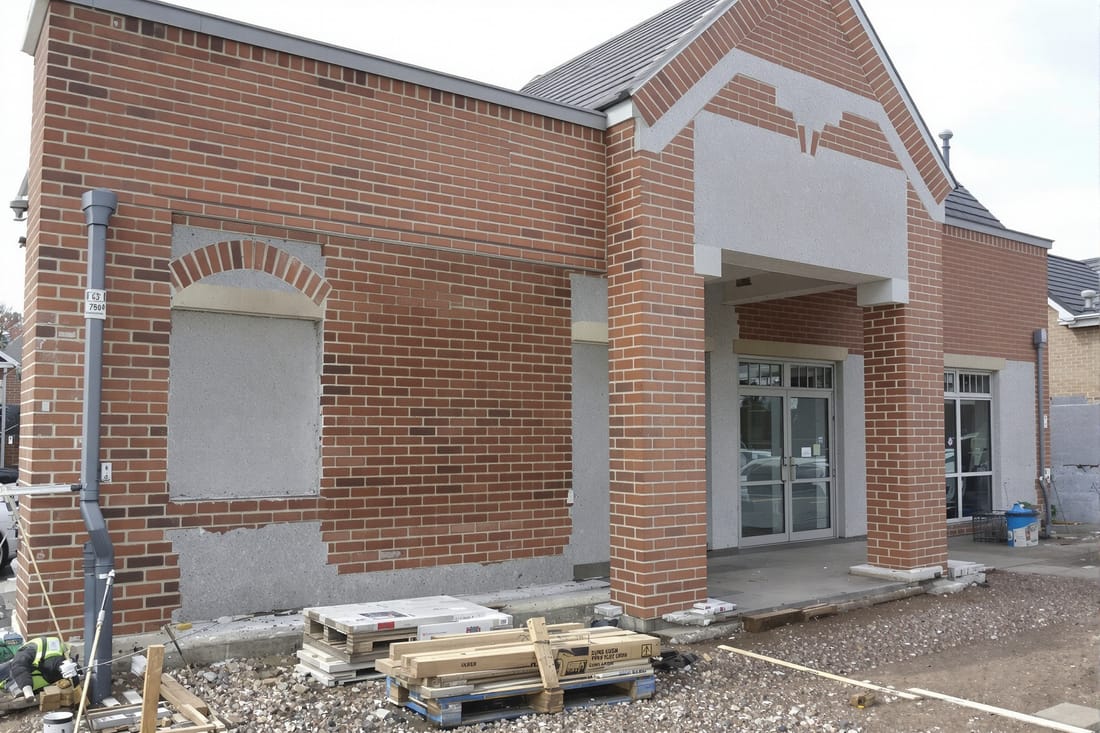
Commercial brick veneer is often chosen in Jacksonville to get the look and durability of masonry without the structural weight and cost of full brick. Superior Masonry Jacksonville installs anchored and adhered brick veneer systems on offices, medical buildings, retail centers, schools, and multifamily properties across Duval County and nearby areas.
Our team focuses on the details that matter in North Florida: moisture management in a humid coastal climate, thermal movement from strong sun exposure, and wind resistance during storm season. We design each commercial brick veneer system around the specific building type and structural backup, whether it is CMU, poured concrete, structural steel framing, or light gauge metal studs.
If you are planning a new build or a façade upgrade, we can review your drawings, explain your veneer options in plain terms, and provide realistic pricing with clear allowances for brick, anchors, flashings, and labor so you know exactly what you are approving.
How a Commercial Brick Veneer Installation Actually Works
A proper commercial brick veneer system in Jacksonville starts with evaluating the backup wall. On new construction, this usually means checking sheathing, air and water barriers, and structural supports before the first brick is laid. On existing buildings, we inspect for cracks, movement, previous coatings, and water intrusion that could affect veneer performance.
Once the substrate is confirmed, we install or verify the air and water barrier, then lay out through‑wall flashings at base-of-wall, window heads, shelf angles, and roof-to-wall transitions. We integrate end dams and weep systems at these points so any water that gets behind the veneer can exit instead of sitting inside the wall.
For anchored brick veneer, we set adjustable anchors or ties into the structure at code‑required spacing, then build the brick wythe with a consistent air gap. Mortar joints are tooled to a profile that sheds water effectively, typically a concave joint for Jacksonville rain conditions. We control expansion and contraction with properly spaced vertical control joints and horizontal soft joints at slab edges and shelf angles.
For adhered thin brick veneer systems, common on interior commercial spaces and where weight is limited, we apply a scratch coat over metal lath or a manufacturer‑approved substrate, then set thin brick units into a modified mortar or adhesive. Joints are grouted or pointed after the brick has set, and we seal joints at dissimilar material transitions to prevent hairline cracks from turning into leaks.
Brick, Patterns, and System Options for Jacksonville Projects
Most commercial brick veneer projects in Jacksonville use clay modular or king size brick, often in reds, tans, and earth tones that match existing neighborhood developments or corporate branding. Superior Masonry Jacksonville helps owners and architects select brick that will still be available later for additions or repairs, instead of one‑off blends that are hard to match.
We install:
• Full‑bed anchored brick veneer systems on structural masonry or concrete.
• Cavity wall systems with rigid or mineral wool insulation behind the brick to meet Florida energy codes.
• Thin brick veneer systems on metal stud walls, interior feature walls, and renovation projects where full brick is too heavy.
Running bond is most common on local office and retail buildings, but we also lay stack bond, soldier courses at window heads, and rowlock or sailor courses at parapets and cap details when the drawings call for a stronger visual line. On multifamily and mixed‑use buildings at the Beaches and in downtown Jacksonville, we often combine brick veneer with fiber cement or stucco. We plan movement joints and flashing transitions carefully at these material changes so you do not end up with cracks or rust lines at the interfaces.
If your project needs a specific manufacturer, such as General Shale, Meridian, or another regional supplier, we coordinate samples, mockups, and lead times so the brick veneer installation aligns with the rest of the schedule.
What Really Drives Cost for Commercial Brick Veneer
Material and labor are obvious cost drivers, but on commercial brick veneer there are several details that push pricing up or down. Superior Masonry Jacksonville breaks these out in our proposals so you can make informed decisions instead of being surprised by change orders.
The first factor is access. One and two story retail centers in areas like Mandarin can often be completed with standard scaffolding. Mid‑rise buildings downtown or near the St. Johns River typically require mast climbers or complex scaffolding, which affects labor and mobilization costs.
The second factor is detailing. The more shelf angles, punched openings, insets, and projections, the more time and materials are needed for flashing, weeps, and custom cutting. Brick veneers with complex banding patterns or frequent color changes also require more layout and sorting time on site.
The third factor is substrate condition, especially on façade rehabs. Existing CMU or concrete walls may need patching, leveling, or additional anchors. We often uncover hidden issues on older Jacksonville buildings, such as corroded steel lintels or failing stucco over block. Addressing these correctly before installing brick veneer prevents costly failures later but does impact the final price.
We also factor in code requirements, such as wind load design for coastal exposure, energy code insulation requirements, and fire separation details between tenant spaces. By talking through these items at the start, we help owners prioritize where to invest and where a simpler detail will perform just as well.
Local Performance Concerns: Moisture, Movement, and Maintenance
Jacksonville’s humidity, heavy rain, and salt‑laden air near the coast are hard on building exteriors. A commercial brick veneer system has to be detailed and installed to handle this environment, not a generic set of drawings pulled from another climate.
We pay close attention to the drainage plane behind the brick. This means a continuous, properly lapped air and water barrier, correctly placed and sealed flashings, and weeps that are not blocked by mortar droppings. On many repairs, we find that the brick itself is fine, but trapped water behind the veneer has rotted sheathing or corroded anchors. Our installers use mortar collection devices and cavity cleaning tools to keep the drainage path open.
Thermal and structural movement is another concern. In Jacksonville, temperature swings and intense sun can move long brick walls significantly. We plan and install movement joints in accordance with industry standards, adjusted for local building geometry. On long retail façades in areas like Jacksonville’s Southside, skipping even one joint can lead to stair‑step cracking within a few years.
Routine maintenance for commercial brick veneer in this region is straightforward but important. We recommend periodic visual inspections, checking for missing mortar, cracks at control joints, or failed sealant at window perimeters. When we install the veneer, we can provide an as‑built sketch or mark‑up showing where flashings and expansion joints were placed, so your facilities team knows what to watch over the life of the building.
How Superior Masonry Jacksonville Manages Commercial Veneer Projects
Commercial schedules in Jacksonville are often tight, especially around tenant build‑outs and school or medical facility deadlines. Superior Masonry Jacksonville assigns a dedicated project lead to each brick veneer job who coordinates submittals, shop drawings, mockups, and daily manpower in line with your master schedule.
We start with a constructability review of the planned commercial brick veneer, looking for details that are hard to build in the field or that may trap water or create maintenance problems. When we see an issue, we provide specific, buildable alternatives instead of vague comments, which helps architects and general contractors avoid RFIs and rework later.
During installation, our foremen track daily production against the agreed timeline. We coordinate lifts, deliveries, and staging with other trades so air barrier installers, window contractors, and brick crews are not on top of each other. On downtown Jacksonville sites with limited laydown space, we plan brick deliveries in smaller, more frequent loads to avoid crowding and material damage.
At closeout, we walk the building with the owner or GC, identify any touch ups, and provide information on brick type, mortar type, and sealants used. If the property team needs help later with tie‑ins for a new sign, storefront change, or penetration through the veneer, they can call us back and we can match or patch the existing system without compromising its performance.